Sealing Services
Concrete Curbing Sealing
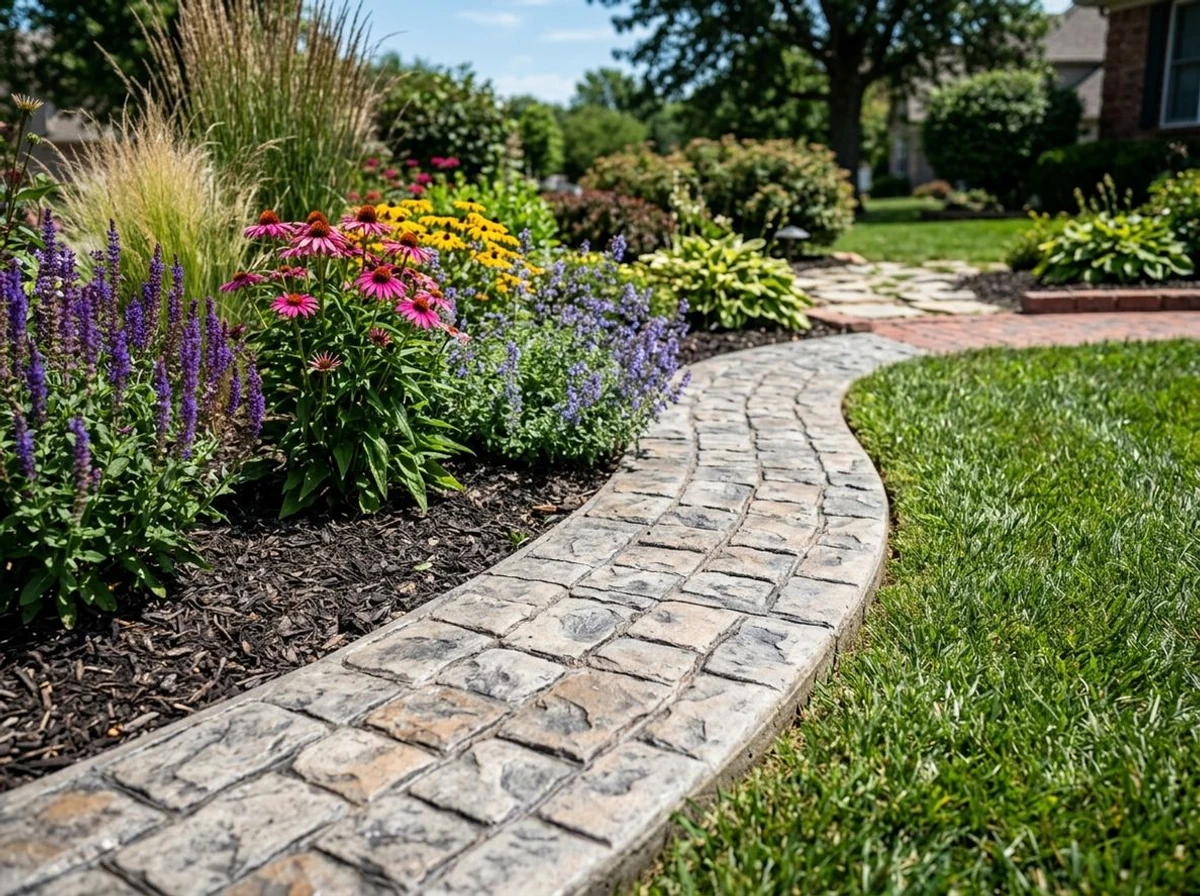
Sealing is the single most effective thing you can do to protect your concrete curbing investment. A quality sealer prevents freeze-thaw cracking, preserves color, and keeps your curbing looking freshly installed year after year. Yearly resealing is available through our continuing service contract.
Understanding the Service
Why Sealing Your Curbing Matters
Concrete is porous by nature. Without a sealer, water penetrates the surface, sits in the pore structure, and expands when it freezes. In Missouri's climate — where temperatures swing above and below freezing dozens of times each winter — this freeze-thaw cycle is the leading cause of curbing damage.
A properly applied sealer fills those pores from the inside, creating a barrier that repels water before it can do damage. For colored and stamped curbing, sealing also preserves the color depth and surface finish that make decorative curbing worth the investment.
Jones Curb Appeal offers yearly resealing to keep your curbing protected season after season. If you sign up for a continuing service contract, we return each year to reseal at a pre-determined cost — no calls to schedule, no re-quoting, and you can cancel at any time.
Protection & Value
Why Seal Your Curbing
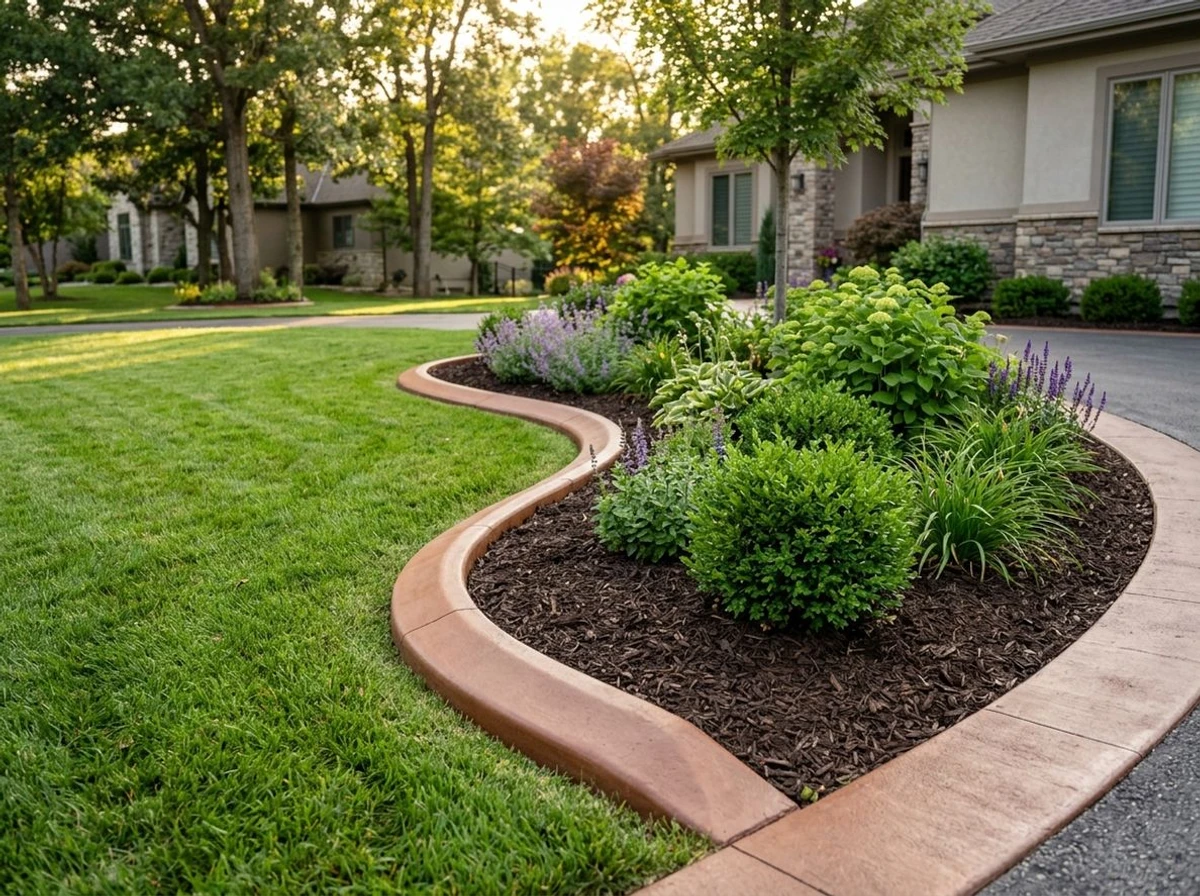
Sealing protects your curbing from the inside out — preventing the most common causes of damage while maintaining the appearance that makes decorative curbing worth the investment.
Freeze-Thaw Protection
Sealer blocks water infiltration — the primary driver of frost heave cracking in Missouri’s clay-heavy soils.
UV & Color Protection
Prevents fading and bleaching from sun exposure, keeping colored and stamped curbing vibrant season after season.
Moisture Barrier
A properly sealed surface repels rain, irrigation runoff, and snowmelt — keeping water out of the concrete’s pore structure.
Enhanced Appearance
Fresh sealer restores the rich, wet-look finish that makes curbing look newly installed.
Extended Lifespan
Regular resealing can double the effective life of decorative curbing by preventing the damage that leads to costly repairs.
Stain Resistance
Sealed surfaces resist staining from mulch dye, fertilizer, and organic debris that accumulates along landscape borders.
The Process
How We Seal Your Curbing
Sealing is straightforward when done correctly — but the prep work and product selection matter as much as the application itself.
Surface Inspection
Ryan inspects the full curbing run for cracks, chips, spalling, or areas where the existing sealer has failed. Any minor repairs are addressed before sealing begins.
Surface Preparation
The curbing is cleaned to remove dirt, debris, moss, and old sealer residue. Proper prep ensures the new sealer bonds directly to clean concrete — not to a layer of grime.
Sealer Application
Professional-grade penetrating sealer is applied evenly across the entire run. The sealer soaks into the concrete’s pore structure, creating protection from the inside out — not just a surface film.
Cure & Final Walkthrough
The sealer cures within 24 hours. Ryan walks the finished work with you to confirm full coverage and even finish before leaving the site.
Yearly Resealing Program
Continuing Service Contract
The best time to reseal is before you notice damage — which means most homeowners forget until it's too late. Our continuing service contract solves that problem entirely.
When you sign up, Jones Curb Appeal returns yearly to reseal your curbing at a pre-determined cost. No phone calls to remember, no re-quoting, no price surprises. Your curbing stays protected season after season with zero effort on your part.
The contract continues until you cancel — there are no long-term commitments, no cancellation fees, and no fine print. If your situation changes, simply let us know and we stop. It's that straightforward.
Yearly Resealing Visits
Jones Curb Appeal returns each year at a scheduled time to reseal your curbing — no reminders needed, no calls to make.
Pre-Determined Pricing
Your annual resealing cost is locked in when you sign up. No surprise price increases, no re-quoting each visit.
Cancel Anytime
The continuing service contract runs until you cancel — no long-term commitment, no penalties, no fine print.
Priority Scheduling
Contract clients are scheduled first each season, ensuring your curbing is sealed at the optimal time before winter.
How it works: Sign up after any sealing service. Jones Curb Appeal schedules your yearly reseal during the optimal window each season. You pay the pre-determined cost at each visit. Cancel anytime — no penalties.
Timing Matters
Signs Your Curbing Needs Resealing
Sealer doesn't fail suddenly — it wears gradually. These signs indicate it's time to reseal before damage begins.
Water Absorption
Sprinkle water on the curbing. If it darkens and absorbs rather than beading up, the sealer has worn through.
Color Fading
Colored curbing that looks washed out or chalky has lost its sealer protection. Fresh sealer restores depth immediately.
Surface Roughness
Run your hand along the surface. Sealed concrete feels smooth; unsealed concrete feels gritty and rough.
Visible Hairline Cracks
Fine surface cracks (crazing) indicate moisture has been entering the concrete. Sealing now prevents them from growing.
Sealed vs. Unsealed Curbing
The difference between maintained and neglected curbing becomes obvious after just a few Missouri seasons.
Without Regular Sealing
- -Water penetrates pores — freeze-thaw cracking begins
- -Color fades within 1–2 seasons
- -Surface becomes rough and porous
- -Staining from mulch dye and fertilizer
- -Repair costs escalate over time
With Yearly Resealing
- Water beads on surface — freeze-thaw protection maintained
- Color stays rich and vibrant for years
- Smooth, clean surface that looks freshly installed
- Resists staining from landscape materials
- Avoids costly repair bills with simple maintenance
Sealing FAQ
How often should concrete curbing be resealed?
In the Greater St. Louis climate, we recommend resealing every 1–3 years depending on sun exposure, proximity to irrigation, and whether the curbing is colored or stamped. Decorative finishes benefit from annual resealing to maintain color depth. Jones Curb Appeal offers yearly resealing through our continuing service contract.
What type of sealer do you use?
We use professional-grade penetrating sealers that absorb into the concrete’s pore structure rather than forming a surface film. Penetrating sealers provide longer-lasting protection without peeling, flaking, or creating a slippery surface.
Can you reseal curbing that was installed by another company?
Yes. Ryan inspects the existing curbing, assesses its condition, and applies sealer to any structurally sound installation regardless of who originally installed it. If repairs are needed first, those are quoted separately.
What does the continuing service contract include?
When you sign up for a continuing service contract, Jones Curb Appeal returns yearly to reseal your curbing at a pre-determined cost. The contract continues until you cancel — no long-term lock-in, no penalties. Each visit includes a surface inspection, cleaning, and full sealer application.
Is sealing necessary for plain (uncolored) curbing?
Yes. Even plain gray curbing benefits from sealing. The sealer prevents water infiltration that causes freeze-thaw cracking — the most common curbing damage in Missouri. Colored and stamped curbing has the additional benefit of color preservation.
When is the best time to seal curbing in St. Louis?
Late spring through early fall, when temperatures are consistently above 50°F and no rain is forecast for 24 hours. Fall sealing before the first freeze provides maximum winter protection. Our contract clients are scheduled during the optimal window each year.
Protect Your Curbing Investment
Whether you need a one-time seal or want to set up a yearly resealing contract, contact Jones Curb Appeal for a free estimate. Ryan will inspect your curbing and recommend the right approach for your property.